JD Vance said the quiet part out loud: the war, the prices, and a fractured coalition. The lessons Republicans can’t afford to ignore.
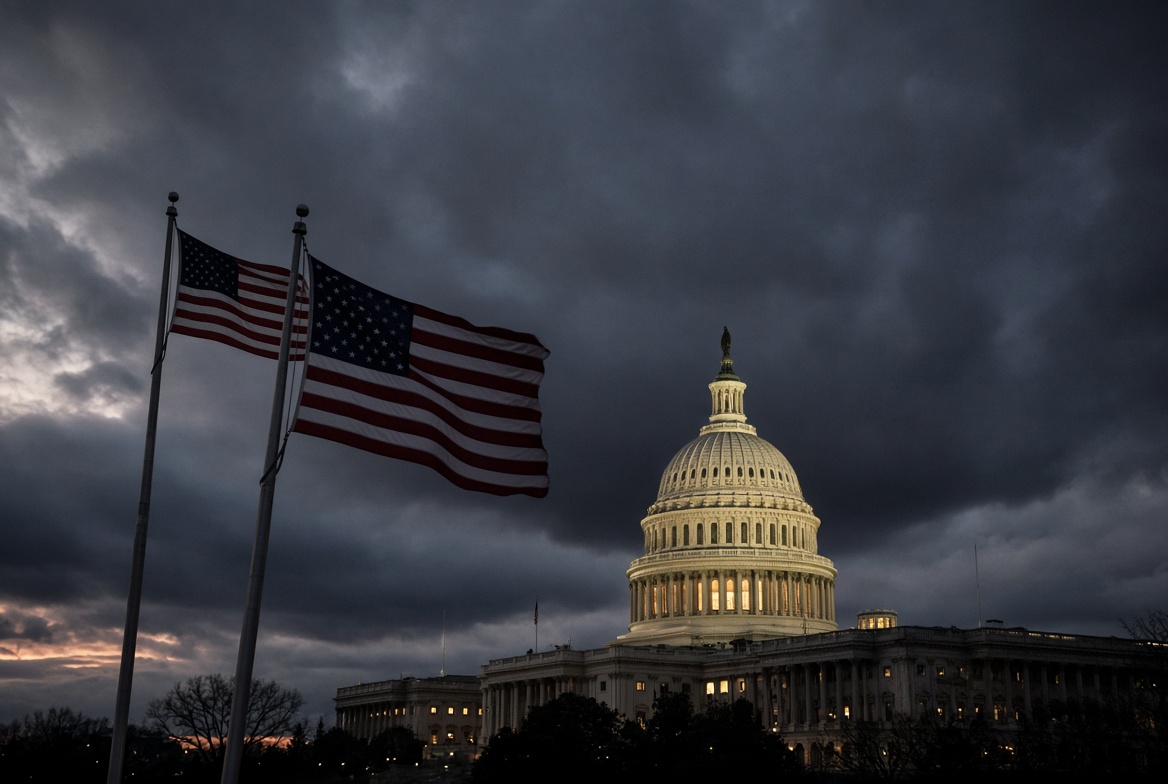
The 2026 midterms delivered a decisive rebuke to Republicans, handing Democrats control of both the House and Senate in one of the largest midterm shifts in decades.
Democrats flipped at least seven Senate seats, including in Texas, Kansas, South Carolina, Iowa, Ohio, North Carolina, and Maine, and made major House gains, many in districts President Trump carried by double digits in 2024. States long viewed as Republican strongholds turned blue. The coalition that powered Trump’s 2024 comeback fractured, with significant swings among Latino voters, younger voters, and working-class Americans.
Republican leaders and strategists have begun a painful post-mortem. The clearest lessons point less to external forces and more to avoidable choices on the economy, foreign policy, candidate selection, and messaging.
Economy and Affordability First
Voters consistently ranked cost of living as a top issue. High gas and diesel prices, driven in part by the Iran conflict and tariff policies, overshadowed other concerns.
Sen. Josh Hawley (R-Mo.) was blunt: cutting rural healthcare, abandoning pro-lifers, the poor, the needy, and working people leads to defeat. Rep. Richard Hudson, former NRCC chair, noted that voters felt gas was too high and things too expensive—and that Republicans failed to convey they cared.
Lesson: Kitchen-table economics must lead. Rhetoric about cultural issues or foreign strength cannot substitute for tangible relief on prices, energy, and wages. When families feel worse off, abstract arguments lose.
The Domestic Cost of Foreign Wars
Vice President JD Vance stated the core problem directly: “The reason we lost is the war.” He noted that voters who flipped from Trump in 2024 prioritized ending the Iran conflict, focusing on the cost of living, putting America First, and adjusting the U.S.-Israel relationship.
Trump acknowledged the war contributed by raising gasoline prices short-term, though he defended the decision. Exit polling and analysis from multiple outlets confirmed the conflict’s economic spillover as a major drag.
Lesson: Interventions have political price tags at home. Energy shocks, inflation, and the sense of endless commitments erode the “peace and prosperity” appeal that once defined successful conservative campaigns. Prudence on foreign entanglements is not weakness; it is political realism.
Candidate Quality and Coalition Discipline
Trump-endorsed or primary-favored candidates with liabilities struggled. Ken Paxton in Texas and Darline Graham in South Carolina were repeatedly cited as examples of nominees who narrowed rather than expanded the tent. Outgoing Sen. John Cornyn, in a Wall Street Journal op-ed, argued Republicans forgot basic rules: coalitions add, they don’t subtract; candidates must be likable; parties must deliver on promises; and character still matters.
Redistricting advantages failed to deliver expected seats in several states. The 2024 gains among Hispanic men, Black voters, and the white working class reversed sharply.
Lesson: Primary loyalty tests that produce general-election liabilities are self-defeating. A durable majority requires candidates who can hold the base while remaining competitive with the broader electorate that decides close races and statewide contests.
Governance Over Distraction
Cornyn and others faulted a focus on sideshows—White House renovations, political theater, and hyper-aggressive postures that alienated more voters than they energized—while core economic promises went unmet. Aggressive immigration enforcement and tariff implementation raised prices without the clear long-term reshoring benefits many voters expected.
Hawley’s critique resonated with many: abandoning working people and traditional constituencies while failing to show concrete results invites backlash.
Lesson: Voters hired Republicans in 2024 for lower prices, border security, and normalcy after prior inflation and disorder. Delivering measurable progress on those priorities matters more than base-pleasing rhetoric or symbolic fights.
Looking Ahead to 2028
The midterms have opened the 2028 field. Figures like Ron DeSantis called the results near an “extinction-level event” in many areas. Debates are already underway between those who want to refine the populist focus on working class economics and limited foreign commitments, and those who prefer continuity with Trump’s personal brand.
House Republicans elected Jim Jordan as minority leader, signaling a fighting posture in the short term. The longer-term question is whether the party can synthesize the best of the realignment, secure borders, cultural pushback, and skepticism of elite institutions, with competent governance and broader appeal.
The 2026 results were not inevitable. Midterms often punish the party in power, but the scale of the losses in deep-red territory reflected specific policy and messaging failures. Republicans who treat this as a temporary setback rather than a diagnostic moment risk repeating the same errors. Those who prioritize affordability, restraint abroad, candidate quality, and coalition-building have a clearer path to recovery.