Starship Flight 13: Testing the Upgraded Vehicle for Better Connectivity and Exploration
With fixes in place following a July 16 scrub, SpaceX targets July 20 for a mission to deploy real Starlink V3 satellites and refine booster recovery.
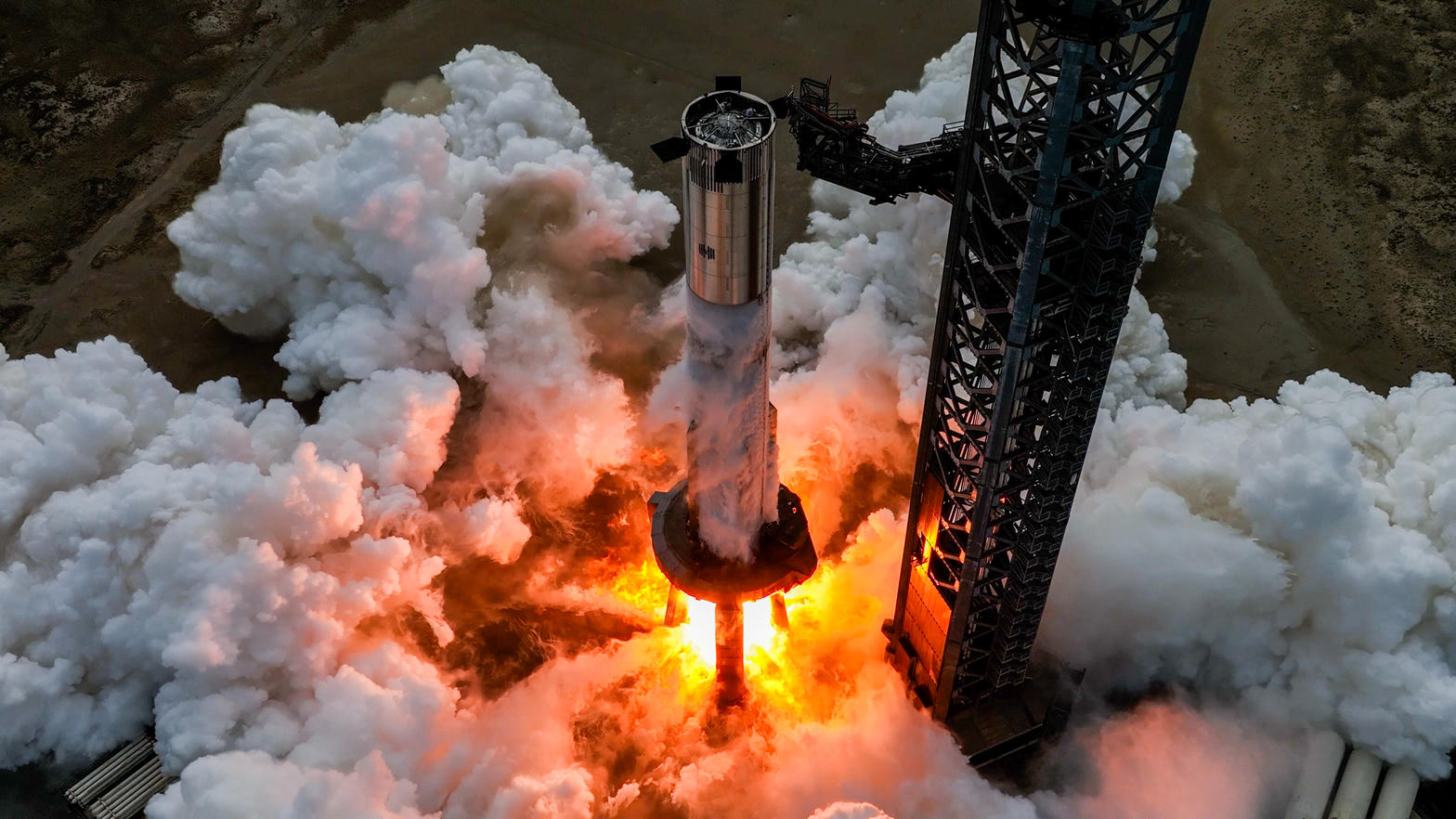
July 20th, 2026
In the South Texas heat, SpaceX's Starbase team readies the world's largest rocket for a key test. Starship Flight 13, the second flight of the upgraded V3 vehicle, is set for NET (no earlier than) July 20, at 5:45 pm CT. This mission goes beyond technical goals; it marks progress in making spaceflight more reliable, reusable, and more frequent.
The July 16 attempt ended with an automatic abort as the Super Heavy booster's Raptor engines lit. Some engines failed to start, triggering safety systems. SpaceX identified the issue quickly and will replace two engines before the next launch. Such scrubs are part of the Starship program’s iterative process. Each flight, successful or not, provides data that refines future missions.
This flight will follow a suborbital path like the previous one. The booster will separate, perform a boostback burn, and attempt a controlled splashdown in the Gulf of Mexico. The Starship upper stage will carry 20 operational Starlink V3 satellites, marking the first flight of these satellites aboard this vehicle. After deployment, the ship will demonstrate an in-space Raptor relight and aim for a precise reentry and landing in the Indian Ocean.
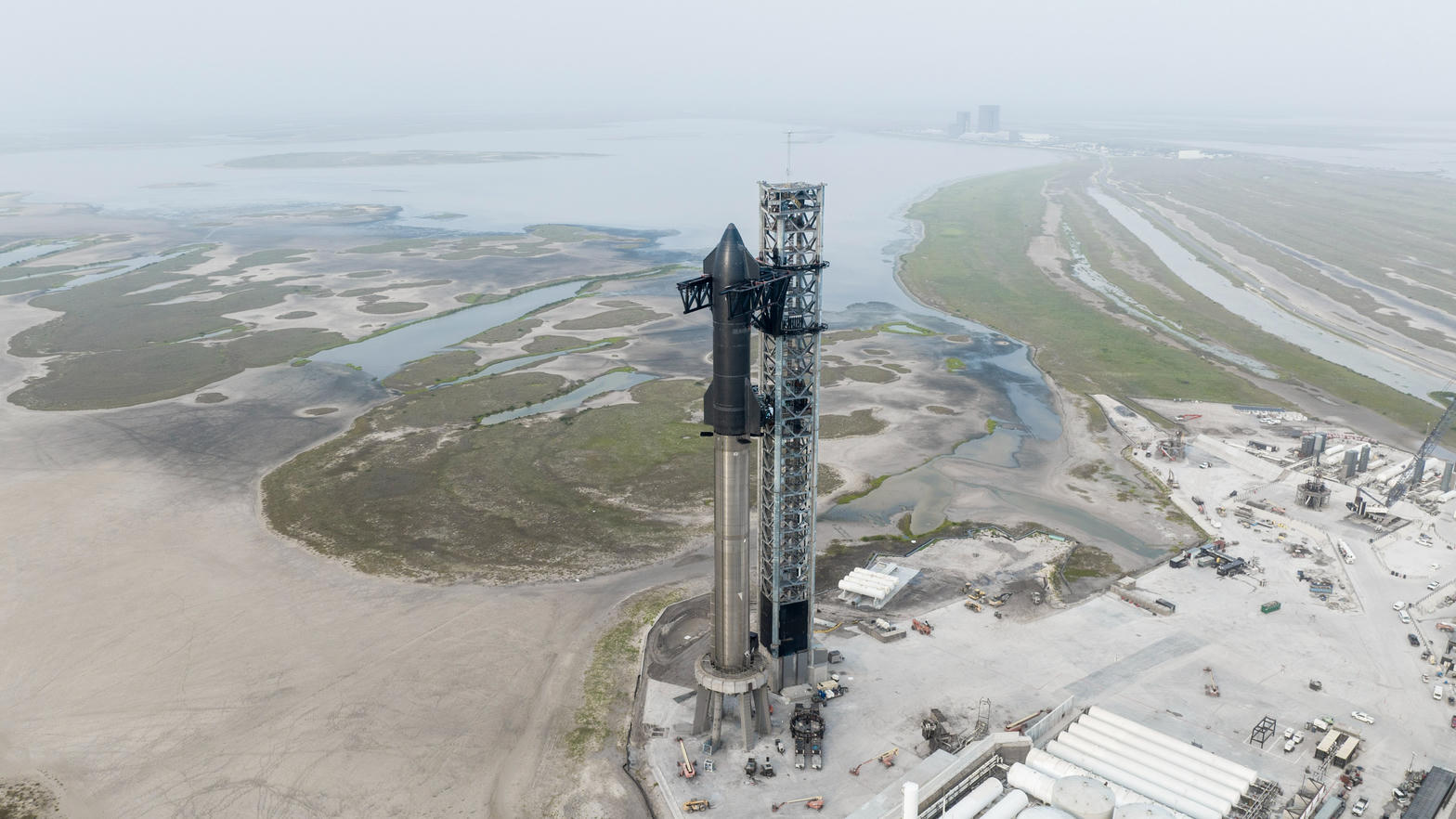
Aerial view of SpaceX’s Starbase facility in Boca Chica, Texas, showing the Starship stack, launch tower, and Gulf of Mexico coastline. (Photograph by John Kraus / National Geographic)
This test flight aims to deploy functioning V3 Starlink satellites. The V3 satellites feature higher capacity and faster speeds, with advanced laser communication links between them. In this test, they will deploy solar arrays and antennas and attempt brief connections with ground stations and the existing constellation. Some satellites have special cameras to assess Starship’s heat shields post-launch. Even short demonstrations in flight conditions provide valuable proof of the hardware. Improved satellite internet can help families in rural areas, students seeking resources, businesses in remote locations, and communities recovering from disasters where traditional networks fail.
Starship's development supports multiple national interests. It is NASA's chosen vehicle for the Artemis lunar lander. It supports routine Starlink deployment at scale. It also showcases American engineering, pushing reusability to lower space access costs. Each success strengthens U.S. leadership in a domain where reliable access means economic opportunities and strategic advantages.
Previous flights revealed issues with engine performance and booster control. The team has made hardware and software changes to address these. The FAA reviewed the prior mission, clearing the path for this one, reflecting a balance between safety oversight and the pace of development. Spaceflight at this scale is challenging; progress comes through disciplined testing and honest assessments.