The Return of the “Romantic Life”: Why Ordinary Things Feel Special Again
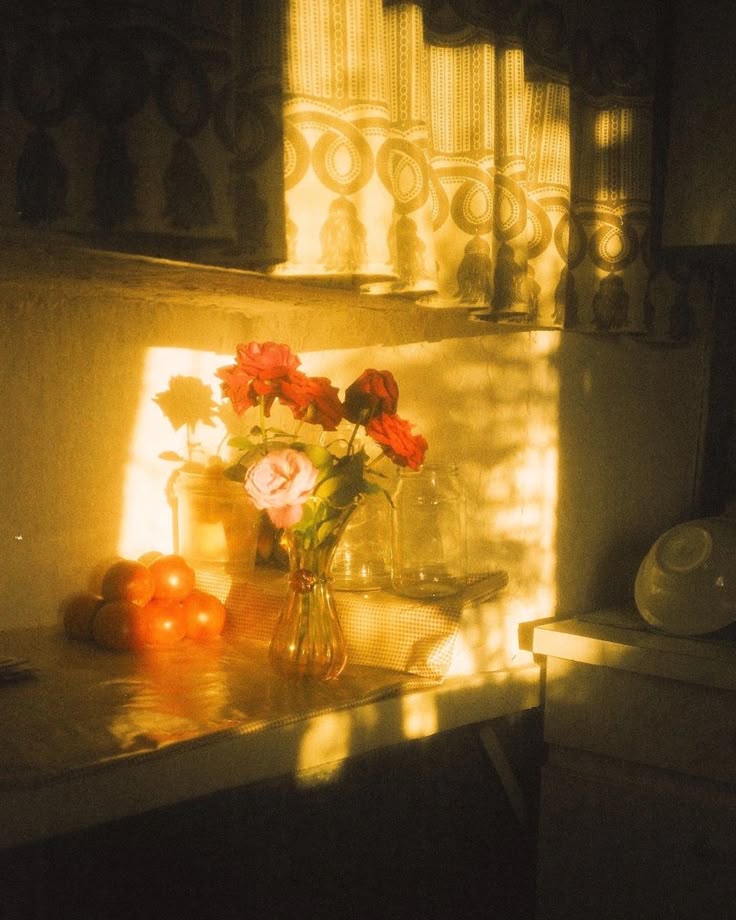
There was a time when having a hobby was just… having a hobby.
You read books because you liked reading. You kept a journal because you had thoughts you wanted to write down. You baked because you wanted cookies. You bought flowers because they looked pretty on the kitchen table. You got dressed because you had somewhere to go.
Now, somehow, all of those things have become part of a much bigger cultural movement: the return of the “romantic life.”
Across social media, people are increasingly turning ordinary routines into something softer, slower, and more intentional. Morning coffee is no longer just coffee. It is a ritual. Reading a book isn't simply reading; it is part of a cozy evening. Writing in a notebook becomes journaling. Wearing a dress to run errands becomes an opportunity to feel feminine, elegant, or whimsical.
The interesting part is that most of these activities aren't new at all.
In fact, many of them are hobbies and routines people have been doing for generations. What has changed is the way we talk about them — and perhaps the way we experience them.
When Did Everything Become “Romantic”?
The idea of “romanticizing your life” exploded across social media as people began sharing aesthetically pleasing versions of everyday routines. A simple breakfast could become a carefully filmed morning ritual. A trip to the library could become an entire afternoon of reading, coffee, and wandering through the stacks.
The trend was initially easy to dismiss as another social media aesthetic.
But underneath the pretty videos and carefully arranged photographs was something surprisingly relatable: people were tired of feeling like their lives were happening somewhere else.
After years of increasingly digital living, constant notifications, remote work, online shopping, and social media consumption, there has been a growing desire to make everyday life feel tangible again.
And suddenly, things that had always existed started feeling special.
A handwritten letter became meaningful. A physical calendar became charming. Scrapbooking became creative instead of outdated. Baking bread became an activity rather than simply a way to make food. Taking a walk without headphones became something worth intentionally doing.
The activities themselves didn't change. Our relationship with them did.
Hobbies We Forgot Were Hobbies
One of the funniest parts of this movement is realizing just how many “romantic” hobbies are actually incredibly ordinary.
Reading is probably the best example.
For decades, people simply read books. Now, reading has its own online aesthetics, reading challenges, carefully curated bookshelves, annotations, reading journals, and “what I'm reading” videos.
The same thing has happened with journaling.
People have been keeping diaries forever. But today's version can involve special notebooks, fountain pens, stickers, pressed flowers, handwritten lists, photographs, and elaborate spreads.
And there is nothing inherently wrong with that.
If anything, it suggests that people are rediscovering the pleasure of doing something simply because they enjoy it.
The same applies to hobbies like knitting, crocheting, painting, baking, gardening, photography, collecting records, writing letters, making jewelry, and even cooking.
These aren't revolutionary activities.
They're just activities that don't require a screen.
The Appeal of Doing Something Slowly
There is also something appealing about hobbies that cannot be rushed.
You can't instantly finish a painting. You can't speed-run learning how to crochet. A handwritten journal entry takes longer than typing a thought into your phone. Growing flowers requires waiting.
That slowness feels almost rebellious in a culture built around immediacy.
We're used to instant delivery, instant entertainment, instant communication, and algorithms designed to keep us moving from one thing to the next.
A hobby asks us to stay.
And perhaps that's part of why these activities feel so romantic now.
They give people permission to spend time on something that doesn't necessarily produce money, followers, or measurable productivity.
Fashion Became Part of the Fantasy, Too
The romantic-life trend isn't limited to hobbies.
Fashion has become another way people create an identity around ordinary moments.
Getting dressed is no longer simply about what is practical. People are increasingly dressing according to how they want to feel.
A long skirt, vintage-inspired blouse, ballet flats, ribbons, jewelry, or a structured coat can make an otherwise completely ordinary day feel different.
You don't necessarily need somewhere special to wear the outfit.
You can simply decide that Tuesday deserves the outfit.
This is one of the more interesting aspects of the movement because it pushes against the idea that certain clothes are reserved for special occasions.
For years, people have been told to “save” the good clothes, the nice dishes, the perfume, the candles, and the expensive sheets.
The romantic-life mentality essentially asks: Why?
Why wait for a special occasion to use something you love when you could make an ordinary day the occasion?
The Problem With Romanticizing Everything
Of course, there is a downside.
Social media has a habit of turning perfectly healthy ideas into aesthetic requirements.
Suddenly, romanticizing your life can mean buying a $40 journal, a vintage camera, linen bedding, expensive candles, a specific wardrobe, a beautiful coffee machine, and an entire collection of things that supposedly make you feel more “intentional.”
And that defeats the point.
You shouldn't need to spend hundreds of dollars to enjoy your life.
The original appeal of the movement was that an ordinary life could be meaningful.
You don't need a picturesque apartment to enjoy reading. You don't need an elaborate morning routine to appreciate your coffee. You don't need expensive stationery to write down your thoughts.
You can romanticize your life with what you already have.
Put on the perfume you've been saving. Make your favorite meal. Take the long way home. Sit outside. Read an old book. Wear the outfit you keep waiting for an occasion to wear.
None of it has to be Instagram-worthy.
Maybe “Romanticizing Your Life” Is Just Another Name for Paying Attention
Perhaps the biggest reason this trend has resonated is because it isn't really about aesthetics at all.
At its best, romanticizing your life is simply paying attention to it.
It's noticing that your morning coffee tastes better when you actually sit down to drink it. It's realizing that you enjoy writing by hand. It's making your home feel comfortable because you spend time there. It's taking pleasure in getting dressed even when nobody is going to see you.
For a generation accustomed to documenting nearly everything, there is something refreshing about doing things that don't have to become content.
Maybe the point isn't to make your life look romantic.
Maybe it's to actually experience it.
And if that means reading a book, baking something from scratch, wearing the “too nice” dress on a random Wednesday, or keeping a little notebook full of thoughts, then perhaps these aren't new trends at all.
Maybe we're simply remembering that ordinary life was always worth enjoying.